You can also pay with Apple Pay or Google Pay
You can also pay with Apple Pay or Google Pay
You can also pay with Apple Pay or Google Pay
You can also pay with Apple Pay or Google Pay
Flowers have always been associated with beauty and emotion, and demand for bouquets and floral arrangements has grown steadily in recent years.
Even though many of our customers’ favourite varieties are grown in modern greenhouses, both in Romania and in other countries with a long horticultural tradition, the price and availability of flowers change noticeably over the course of the year.
Differences in climate, transport costs, the flowering season and the various international floral events are just some of the reasons why a flower can be very affordable one month and almost impossible to find the next.

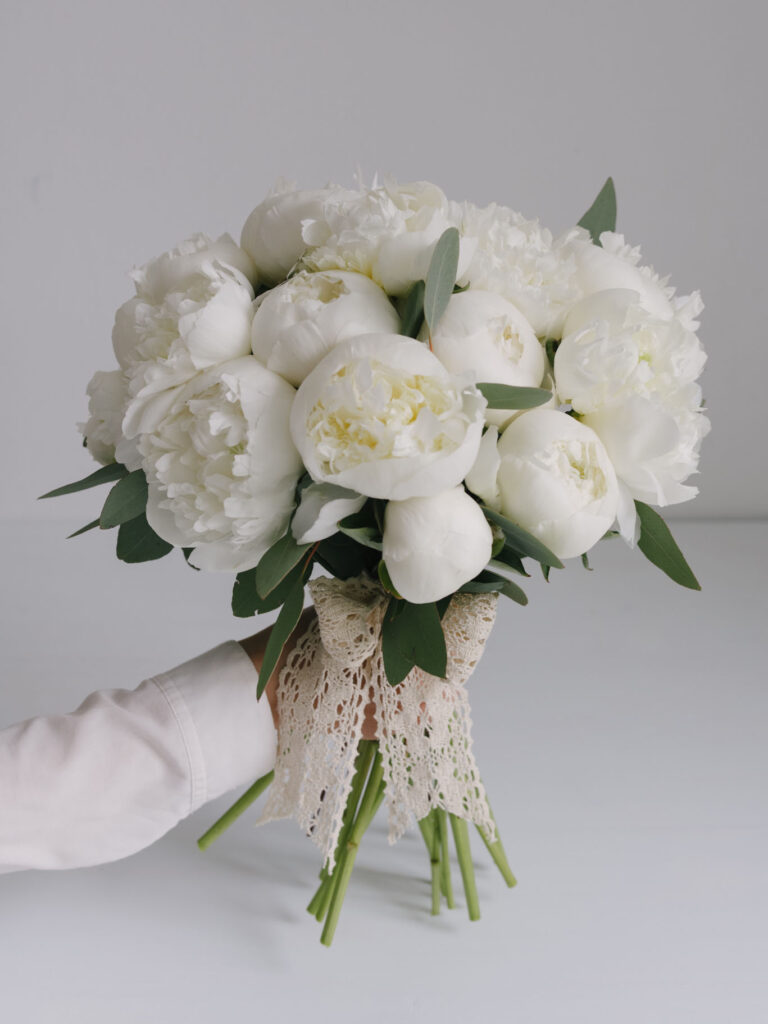
In spring, the local market fills up with tulips, hyacinths and daffodils, often grown in greenhouses or imported from the Netherlands. This is also when peonies start to be in great demand, especially around 1 and 8 March — Mărțișor and International Women’s Day — when orders explode. The period brings a temporary rise in prices too, because the flower auctions are stormed by importers looking to secure large quantities in a very short window.
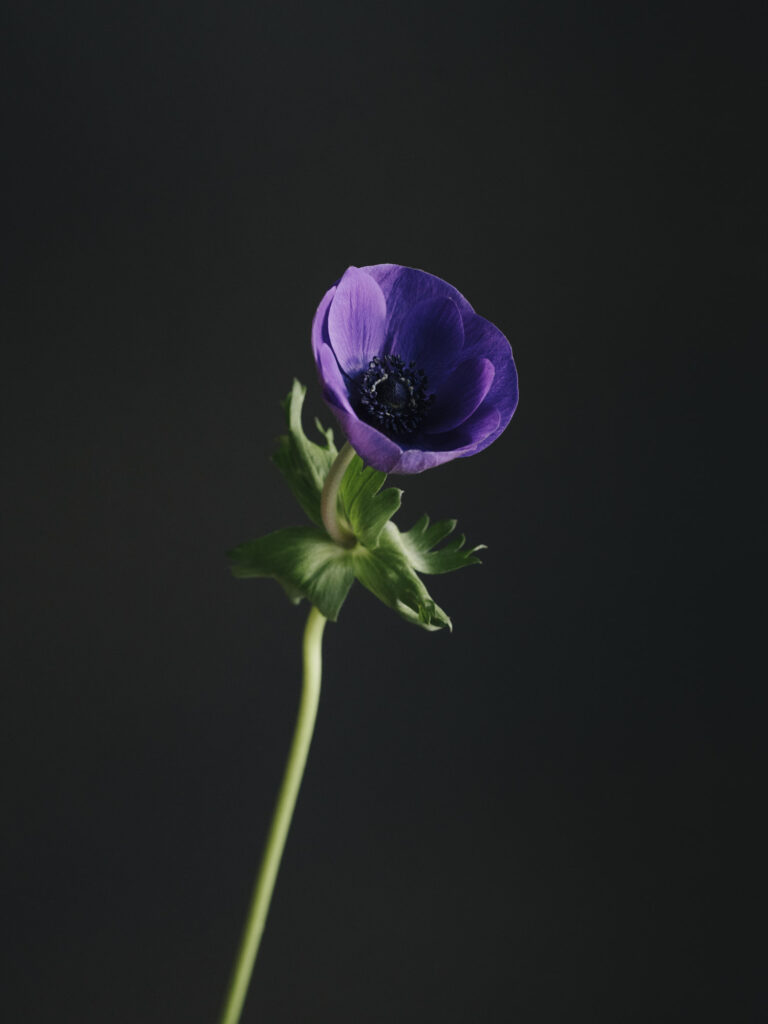
During the summer, flower shops rely on dahlias, roses, gerberas and, in some areas, even meadow flowers, which can be grown locally and so cut transport costs. Autumn makes itself felt through chrysanthemums and various kinds of anemone, while winter belongs to amaryllis and anthurium, which come from warmer climates or from specialist greenhouses.
Beyond seasonality, the flower market is shaped by global demand at certain times of the year.
Mother’s Day, Valentine’s Day and similar celebrations in various countries can cause a sudden spike in prices even in Romania.
If a country with strong purchasing power heads into the run-up to a major holiday, it can pull an enormous volume of flowers off the international auctions, pushing prices up for everyone else.
So a florist in Bucharest may pay more for the same bouquet of roses simply because a celebration that swallows huge quantities of flowers is taking place on the other side of the world.
Air freight is another factor that significantly influences the price. Flowers brought in from South America, Africa or Asia have to travel thousands of kilometres and need carefully controlled humidity and temperature.
Logistics costs and customs duties inevitably show up in the final price on the shop shelf. On top of those come exchange rate fluctuations, which can make a real difference when imports are on a large scale.
Roses, being among the most popular flowers in the world, are available all year round in a wide choice of varieties. You will find Dutch roses, large-headed Ecuadorian roses, even special cultivars with two-tone petals. Around Valentine’s Day, when demand peaks, the price can double or even treble compared with an ordinary autumn month.
Gerberas, lisianthus and lilies are also a constant presence in flower shops, thanks to how well they travel and to a relatively stable production cycle. Even so, they have their moments of fluctuation. In a spring with unusually low temperatures, for instance, production in certain countries can be delayed, causing a slight rise in prices.
Chrysanthemums, on the other hand, are associated above all with autumn and with the commemorations at the start of November; for the rest of the year their price can be twice as high.
Anthurium and amaryllis are exotic flowers that need special growing conditions. They are generally favoured for sophisticated arrangements, particularly in the cold season, when they bring an element of novelty. Because they are imported, their cost depends largely on how prices move on the international auctions and on how stable the exchange rate is.
In winter, when some seasonal flowers all but disappear, strelitzia can still be found in specialist flower shops. Brought in from tropical regions, this flower — better known as the “bird of paradise” — has a spectacular look and a higher price, justified by how hard it is to transport in optimal conditions. Protea, native to South Africa, is another example of a rarely seen exotic flower that can be available all year round in specialist shops, but at steep prices.
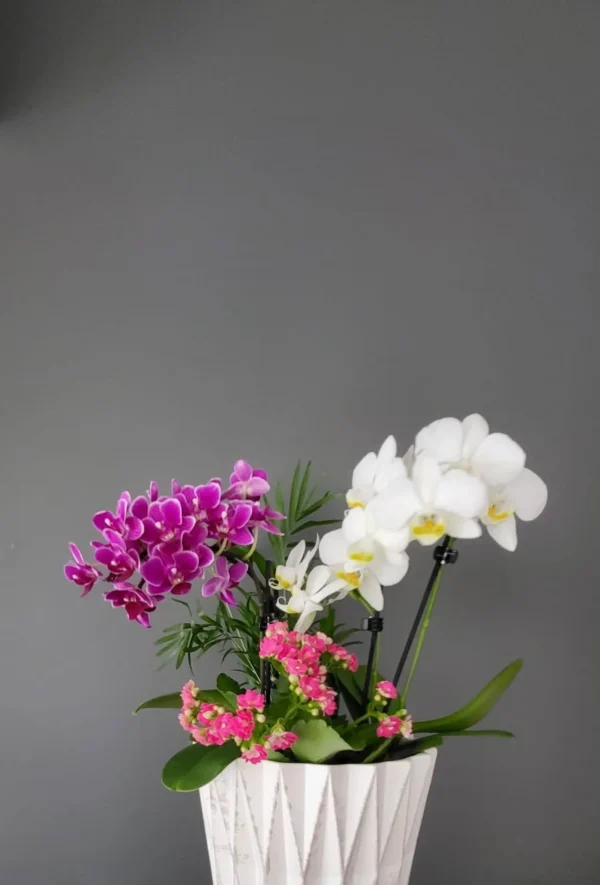
Another interesting example is that of Vanda and Phalaenopsis orchids. While Phalaenopsis is relatively easy to find, Vanda is far more demanding to transport and carries high production costs.
As a result, depending on the importers and on the calendar of events, orchids can see significant price jumps, especially around the winter holidays or particular special occasions.
Flower shop owners and floral designers adapt both their range and their pricing strategy to these seasonal swings. Some choose to invest in climate-controlled storage, so they can keep flowers in good condition for longer and bring them to market at a point when they are no longer widely available. Others build direct relationships with growers abroad, either to obtain rarer varieties or to guarantee a steady supply outside the traditional season.
In periods of high demand, such as early spring or the summer months packed with weddings, flower shops may work with importers who have access to international markets. That keeps the shelves varied, but it also brings variable and sometimes high prices, driven by competition worldwide.
Anyone hoping to buy flowers at a better price should give some thought to when they buy.
If a particular flower — the peony, say — is dearer at the very start or the very end of its season, one alternative is to pick varieties that are more widely available in that window. Instead of peonies you could use ranunculus or full-petalled garden roses, which give a similar visual effect at a lower cost.
Seasonal variety can also be used creatively: in spring you can choose daffodils and lily of the valley for delicate bouquets, in summer sunflowers and succulents come into their own, and in autumn chrysanthemums and gerberas can bring vibrant tones to a room.
If a customer absolutely must have a particular type of flower out of season, they need to be prepared for a higher price and for the fact that the flowers may come from a very distant region, by a complicated route.
In the end, it is essential to understand that the way flower prices and availability move is a reality shaped as much by nature as by the global economy.
For florists and customers alike, understanding all this makes for better-informed choices, based on the season, on event planning and on budget. Whether it is roses, peonies, lily of the valley or exotic orchids, every flower carries with it the story of the journey from the greenhouse to the bucket of water in a flower shop.
When we admire it in all its splendour, it is worth remembering just how much work and care go into letting us enjoy that beauty at any moment of the year.